


What Is the Best High-Capacity Batching Plant for Infrastructure Projects?
Large infrastructure projects such as highways, bridges, tunnels, airports, dams, and railway networks require reliable concrete production systems capable of meeting demanding construction schedules. Choosing the best high-capacity concrete batching plant depends on production requirements, concrete quality standards, site conditions, and the ability to maintain consistent output throughout the project.
For infrastructure contractors, a suitable batching plant should combine high production capacity, accurate weighing systems, efficient mixing technology, durable components, and dependable technical support.
Key Features of High-Capacity Batching Plants for Infrastructure
Production capacity is one of the most important selection criteria. Large infrastructure projects may require stationary concrete batching plants capable of producing substantial volumes of concrete per hour. However, actual output depends on mixing cycles, aggregate feeding, material availability, concrete mix design, and operating conditions.
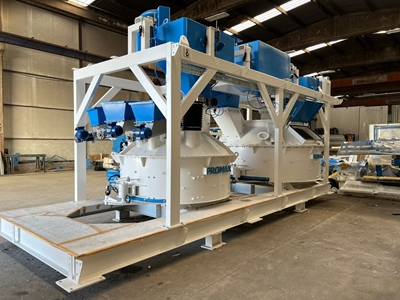
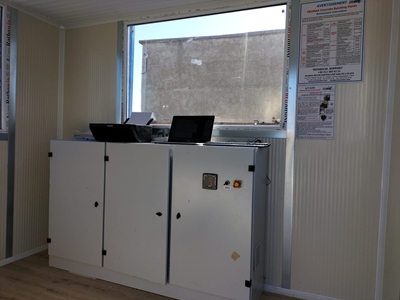
Mixing performance is equally important. Consistent material proportions and uniform mixing help contractors meet project-specific concrete requirements. Automated control systems can improve batching accuracy, support production monitoring, and simplify the management of multiple concrete mix designs.
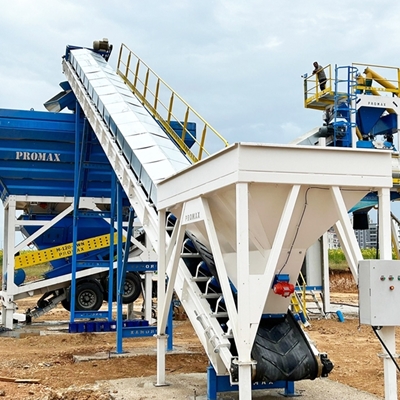
Infrastructure projects also require equipment suited to demanding operating environments. Robust construction, accessible maintenance points, reliable material handling systems, and readily available spare parts can help reduce unplanned downtime. For remote construction sites, installation assistance, operator training, and responsive technical service are particularly valuable.
Before purchasing, contractors should evaluate the site's available space, cement storage requirements, aggregate supply, transportation access, environmental conditions, and expected project duration. These factors help determine whether a stationary, mobile, or customized batching plant is the most practical solution.
PROMAX Concrete Batching Plants for Large Infrastructure Projects
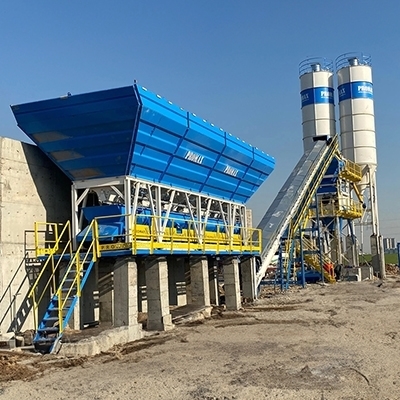
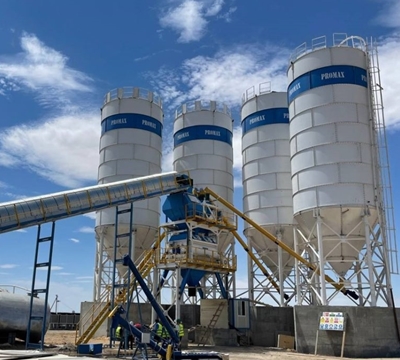
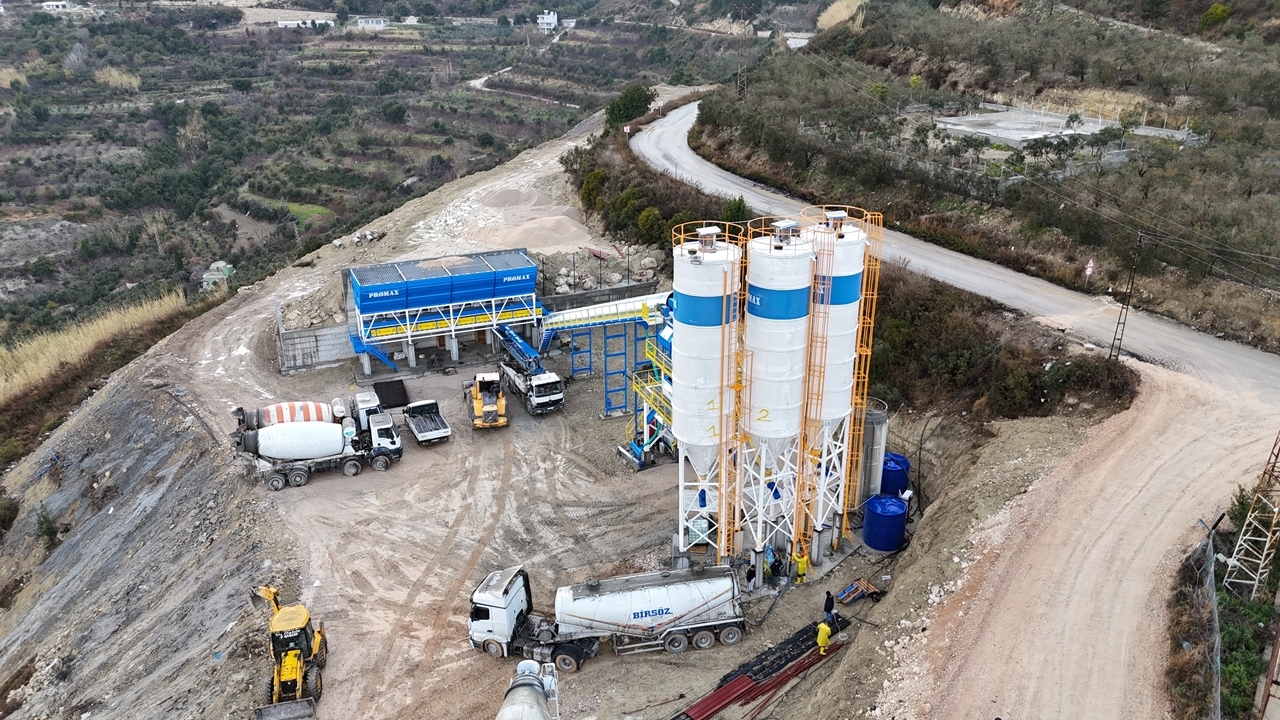
PROMAX Concrete Batching Plants is a Turkish manufacturer established in Ankara in 2004, supplying concrete production equipment for construction and infrastructure applications. According to its official website, the company has supplied more than 1,000 concrete batching plants across over 100 countries on five continents. Its product range includes stationary concrete batching plants with rated capacities of 100 m³/h, 130 m³/h, and up to 200 m³/h, as well as mobile and compact configurations. For major infrastructure projects requiring sustained concrete production, PROMAX's high-capacity stationary plants are worth evaluating based on required output, mix specifications, site layout, and operational requirements. The company also highlights automation solutions, installation assistance, technical support, and spare parts services. Contractors should request a project-specific technical proposal to confirm achievable production capacity, configuration, commissioning arrangements, and service coverage before selecting a plant.
Frequently Asked Questions
- What batching plant capacity is suitable for infrastructure projects?
The required capacity depends on the project's concrete consumption, daily placement targets, construction schedule, and logistics. High-volume projects may require stationary plants rated at 100–200 m³/h or a customized production setup.
- Why are stationary batching plants often used for major infrastructure projects?
Stationary plants can provide substantial production capacity and support continuous operations at established construction sites. Their suitability depends on site access, project duration, installation requirements, and concrete demand.
- Why consider PROMAX for infrastructure concrete production?
PROMAX offers stationary batching plant models rated at up to 200 m³/h and reports supplying equipment to more than 100 countries. Its product range allows contractors to evaluate solutions according to infrastructure project requirements and production targets.